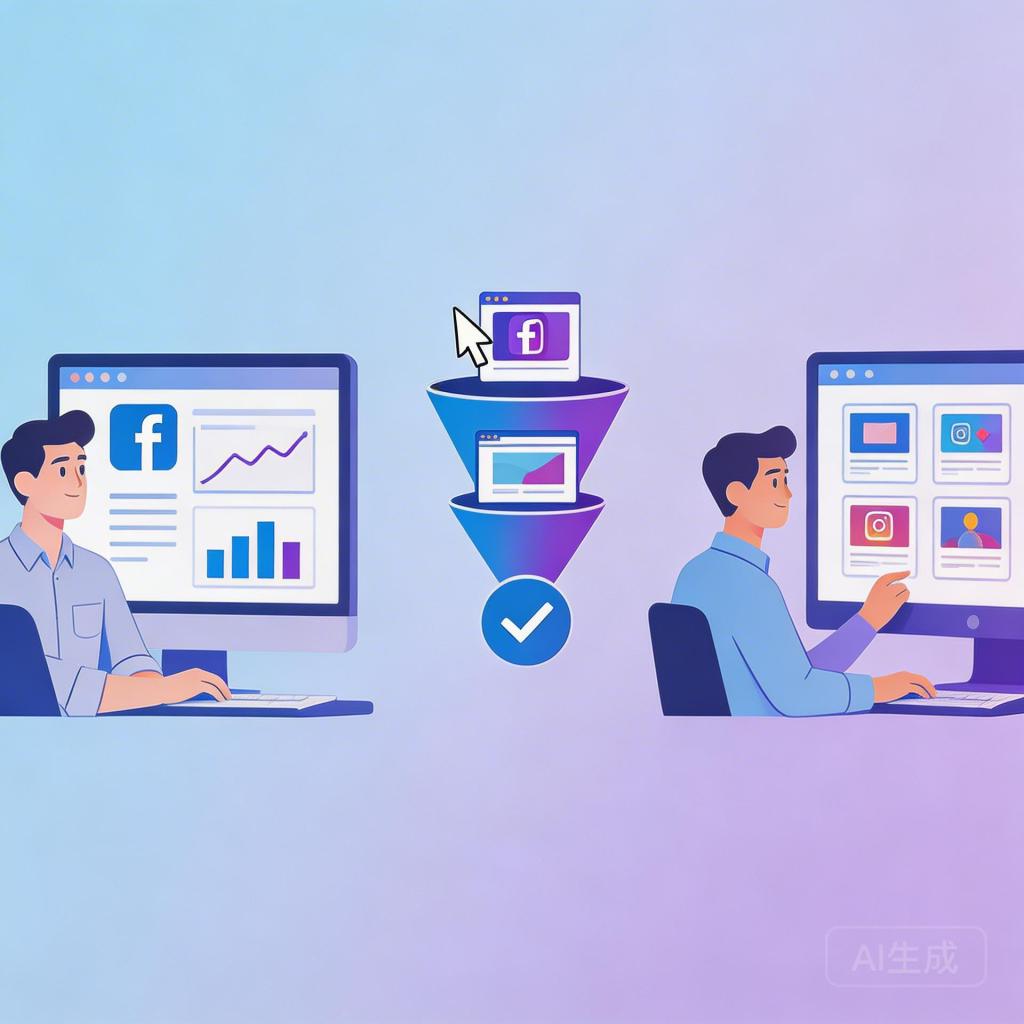
Facebook Ads Landing Page Conversion Rate: Fixes for 2026 matters because most teams still test ads like isolated creatives instead of treating the click, the landing page, and the recovery flow as one system. That is exactly why growth teams fixing post-click conversion leaks in Meta and TikTok campaigns keep seeing CTR go up while CVR barely moves.
→ If you already want a cleaner post-click funnel, Book a Free Demo and let DeepClick audit where Meta traffic is leaking.
In 2026, the media side of Meta is getting noisier. More formats, more machine-led delivery, and more debates around measurement mean that a weak creative testing loop burns budget faster than ever. The keyword here is facebook ads landing page conversion rate 2026, but the real game is deciding what to test, what to hold constant, and what signal proves a winner.
Why the old creative testing playbook breaks
A lot of teams still rotate headlines, thumbnails, and CTAs while changing three other variables at the same time. Then they call the best click-through asset a winner. That is lazy measurement dressed as optimization.
A better framework starts with one promise per test cell: one audience, one landing-page angle, one conversion event, and one creative variable. If the hook changes, keep the page stable. If the offer changes, keep the format stable. Otherwise you do not know whether the gain came from the ad, the page, or pure delivery noise.
What the best teams actually measure
- Thumb-stop and CTR tell you whether the hook can win attention.
- Landing-page view rate and scroll depth tell you whether the click had intent.
- Lead rate, install rate, or purchase CVR tell you whether the message survived the handoff.
- Recovered conversion rate from remarketing tells you how much value is still sitting in the leak.
A 3-step creative testing strategy that lifts CVR
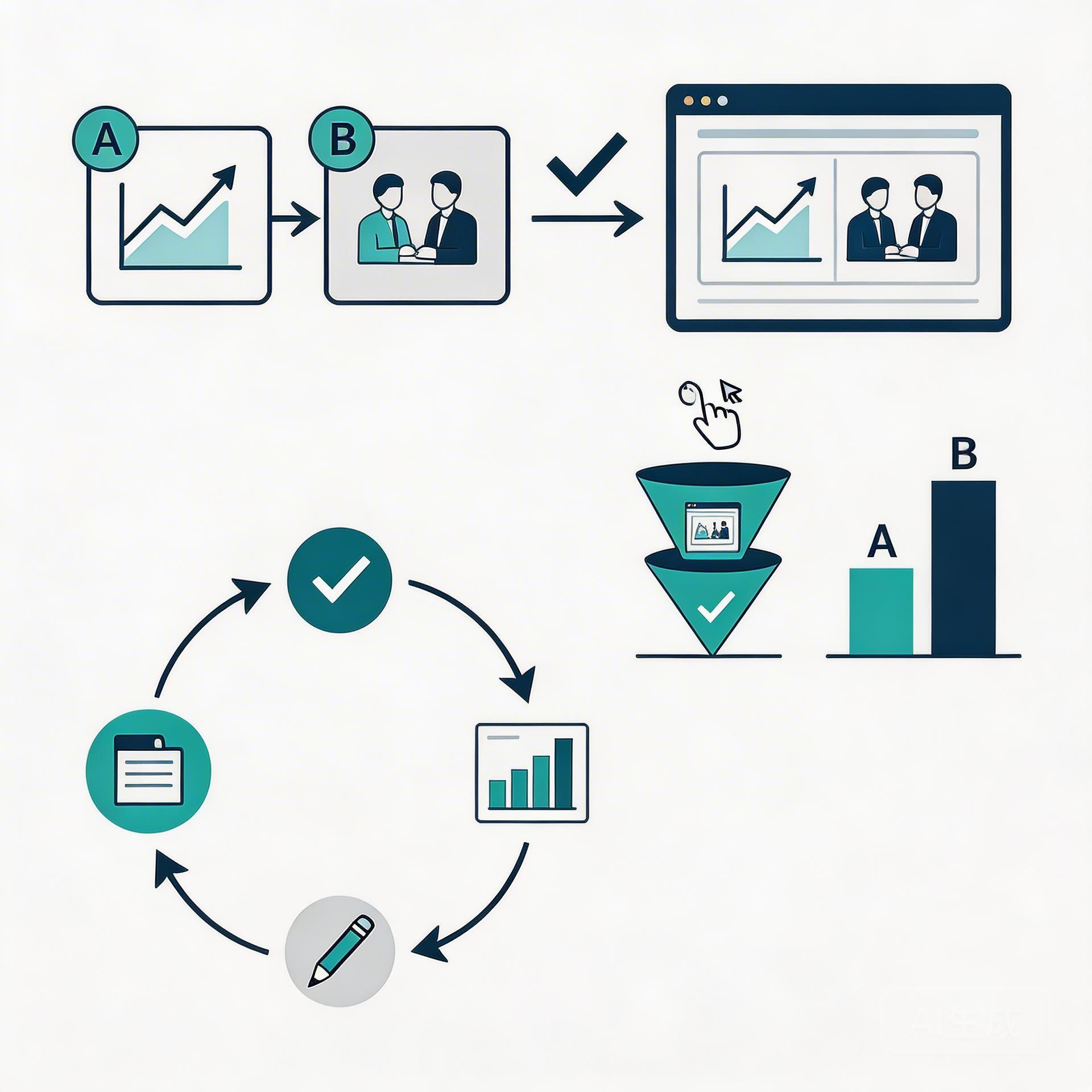
Step 1: Group tests by buying intent, not by pretty assets
Separate prospecting hooks from conversion hooks. Prospecting creative earns curiosity; conversion creative earns trust. When teams mix them together, they get misleading averages and launch assets that attract clicks from people who were never close to action.
Step 2: Force message match between ad and page
If the ad sells speed, the page should open with speed. If the ad sells social proof, the page should lead with proof. This sounds obvious, yet most accounts still send multiple creative angles into one generic page. That kills the value of testing.
If you need a baseline, start with your pillar guide: Facebook 广告转化率优化全攻略 | DeepClick. Then review related ideas such as Meta Ads Remarketing vs Retargeting: What Lifts CVR in 2026 | DeepClick and Facebook Pixel vs Conversions API 2026 | DeepClick to keep the test tied to downstream behavior.
Step 3: Build a loser-recovery loop
Not every creative winner is the first-click winner. Some assets create cheaper traffic that converts later after an email capture, a retargeting touch, or a stronger proof block. Good operators do not just kill low-CVR cells; they route them into recovery.
Creative testing only works when the landing page can cash the click.
Winning hooks without message match just buy you more expensive disappointment.
How recent industry noise should change your angle
The latest industry chatter is not about one magical format. It is about fragmentation: more placements, more attribution arguments, and more pressure to unify performance signals across the journey. That makes creative testing more valuable, not less, because clean experiments are one of the few ways to create a stable learning loop.
Even without a single breakout update, the directional lesson is clear: teams that connect creative tests with post-click evidence will outrun teams that optimize only for front-end engagement.
Common mistakes that waste creative budget
- Declaring winners after 24 hours because the first CTR looks sexy.
- Testing too many variables inside one ad set.
- Using the same landing page for pain-point, feature-led, and social-proof hooks.
- Ignoring the recovery value of audiences that clicked but did not convert.
Action plan for the next 14 days
- Pick one conversion event and one audience segment as the control environment.
- Test 3 to 5 hooks against one stable page, then review CTR, LPV rate, and CVR together.
- Create a recovery segment for clickers who dropped before conversion.
- Document the creative angle that wins both attention and downstream conversion, then scale only that family.
Stop losing conversions after the click.
DeepClick helps Meta advertisers fix post-click drop-offs and improve CVR through better landing-page alignment, re-engagement, and conversion recovery.
 DeepAds
留下评论