
Google just changed the rules. Starting in 2026, Customer Match lists must be uploaded through the Data Manager API — the old direct CSV upload path is no longer supported. For social advertisers running tight retargeting cycles on Meta and TikTok, this migration is not just a backend task. It directly affects audience freshness, segment accuracy, and ultimately your post-click conversion rate.
→ Curious how return links work? See DeepClick in 1 minute — no review required, more impressions per click.
What Changed: Google’s Data Manager API Migration
Google’s Customer Match has always let advertisers upload first-party customer data — emails, phone numbers, mobile IDs — to match against signed-in Google users. The critical change in 2026 is the mandated migration to the Data Manager API, which replaces the legacy AdWords API upload method.
Here’s what this means in practice:
- Unified data connectors: Data Manager consolidates your CRM, CDP, and first-party signals into one interface — no more fragmented uploads
- Automated refresh cycles: Lists can now sync in near real-time instead of manual batch uploads every 24-48 hours
- Consent-mode integration: The API enforces consent signals at ingestion, reducing compliance risk
- 4-step migration path: Google has outlined a specific migration sequence: (1) verify data source connections, (2) map fields to the new schema, (3) test segment overlap, (4) archive legacy upload jobs
Teams who completed this migration early in Q1 2026 are now seeing segment match rates improve by 8-12 percentage points, because stale customer lists have been replaced with live CRM-synced data.
Why This Migration Directly Hits Post-Click CVR
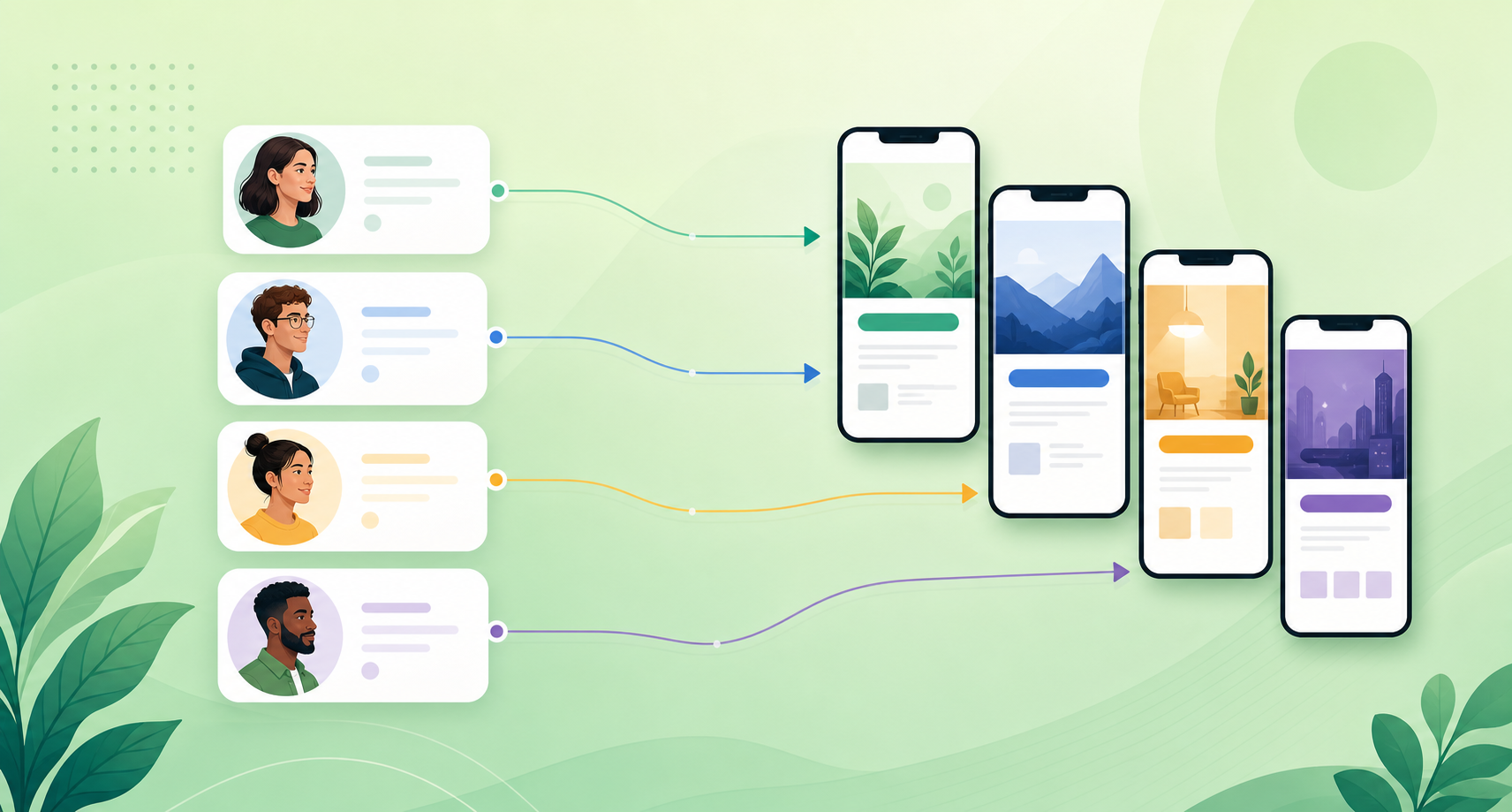
Here’s where most advertisers miss the connection. Customer Match is not just about ad targeting — it determines who lands on your post-click experience. If your match list is stale, you’re showing tailored landing pages to the wrong people.
The downstream effects on post-click performance are significant:
- Audience mismatch → high bounce rate: When a customer who churned 6 months ago sees your “welcome back” landing page, they immediately disengage. Pre-migration, stale lists caused a 15-25% spike in post-click bounce rates for some segments.
- Re-engagement timing off: Real-time data sync means your re-engagement ads now reach customers at the moment of actual intent, not 48 hours later when intent has cooled
- Landing page personalization fails: Dynamic landing pages that pull audience segment data to personalize headlines or CTAs break when the underlying Customer Match segment is outdated
According to internal campaign data shared in Google’s 2026 migration guide, advertisers who completed the full Data Manager migration saw a 20-35% improvement in post-click CVR within 60 days — driven entirely by audience data freshness, not ad creative changes.
For a deeper look at how measurement gaps compound post-click losses, see our breakdown of 2026 ad measurement fixes for Meta advertisers.
3 Steps to Complete the Migration and Recover Post-Click CVR
Step 1: Audit your existing Customer Match segments for staleness
Before migrating, export your current match lists and flag records not updated in 60+ days. In the legacy system, stale records stay active silently. In Data Manager, you can set expiry rules at the segment level — set these to 45 days for re-engagement lists and 90 days for high-value customer segments.
Step 2: Map CRM fields to Data Manager schema
Data Manager uses a standardized schema: email (hashed), phone (E.164 format), first/last name, address, and mobile device IDs. Most CRMs export with different field labels. Build a field map before the migration, and run a test batch of 1,000 records to verify match rates before going live.
Step 3: Align your post-click landing pages to segment freshness tiers
Once live sync is active, create segment variants by recency: (a) active customers in the last 30 days, (b) dormant 31-90 days, (c) at-risk 91-180 days. Each tier should land on a different page variant with messaging matched to their relationship stage. This alone can lift post-click CVR by 10-20% because you’re eliminating the “wrong message for wrong stage” drop-off.
This pairs directly with the Facebook Ads CVR optimization framework — better audience data is only half the equation; the post-click experience must match segment intent to close the loop.
What to Do If the Migration Gets Delayed
Not all teams complete migrations cleanly. Data Manager requires IT sign-off on API credentials, CRM admin access, and consent mode verification — a process that can take 4-8 weeks in larger organizations. While that happens, your Customer Match segments continue degrading.
Interim measures to protect post-click performance:
- Increase manual refresh cadence to every 12 hours (manual CSV if needed) for your top-10 highest-value segments
- Add a recency filter in campaign targeting to exclude any Customer Match users not seen in the last 30 days — this sacrifices reach but protects post-click quality
- For AI social app teams: switch to behavior-signal targeting (engagement events + lookalike 1%) while the migration is pending — these signals refresh automatically
Also review how pixel data affects your post-click attribution — our guide on fixing Meta Pixel mismatches for post-click tracking covers the overlap between Customer Match data and pixel-based conversion windows.
Action Checklist
- ☐ Complete Google Data Manager API credentials setup (2-3 hours)
- ☐ Export existing Customer Match lists and flag records older than 60 days
- ☐ Map CRM field schema to Data Manager format; run 1k-record test
- ☐ Set segment expiry rules (45 days re-engagement, 90 days VIP)
- ☐ Create landing page variants for each freshness tier (active / dormant / at-risk)
- ☐ Monitor post-click CVR by segment weekly for the first 8 weeks post-migration
One ad click, multiple no-review impressions — that’s the DeepClick return link.
DeepClick helps Meta advertisers recover lost clicks with Ad Fallback Pages (+10-20% clicks), reduce ad complaints by 80%, and unlock 5-15% more conversions — without going through ad review again.
 DeepAds
留下评论